

Pristina International Airport Adem Jashari

Project Information
Concept / Preliminary / Detail Design Project
Competition 1st prize
Location:
Pristina – KosovoOwner:
Republic of Kosovo / Limak – Aeroport de Lyon ConsortiumProject Date:
2010Construction Date:
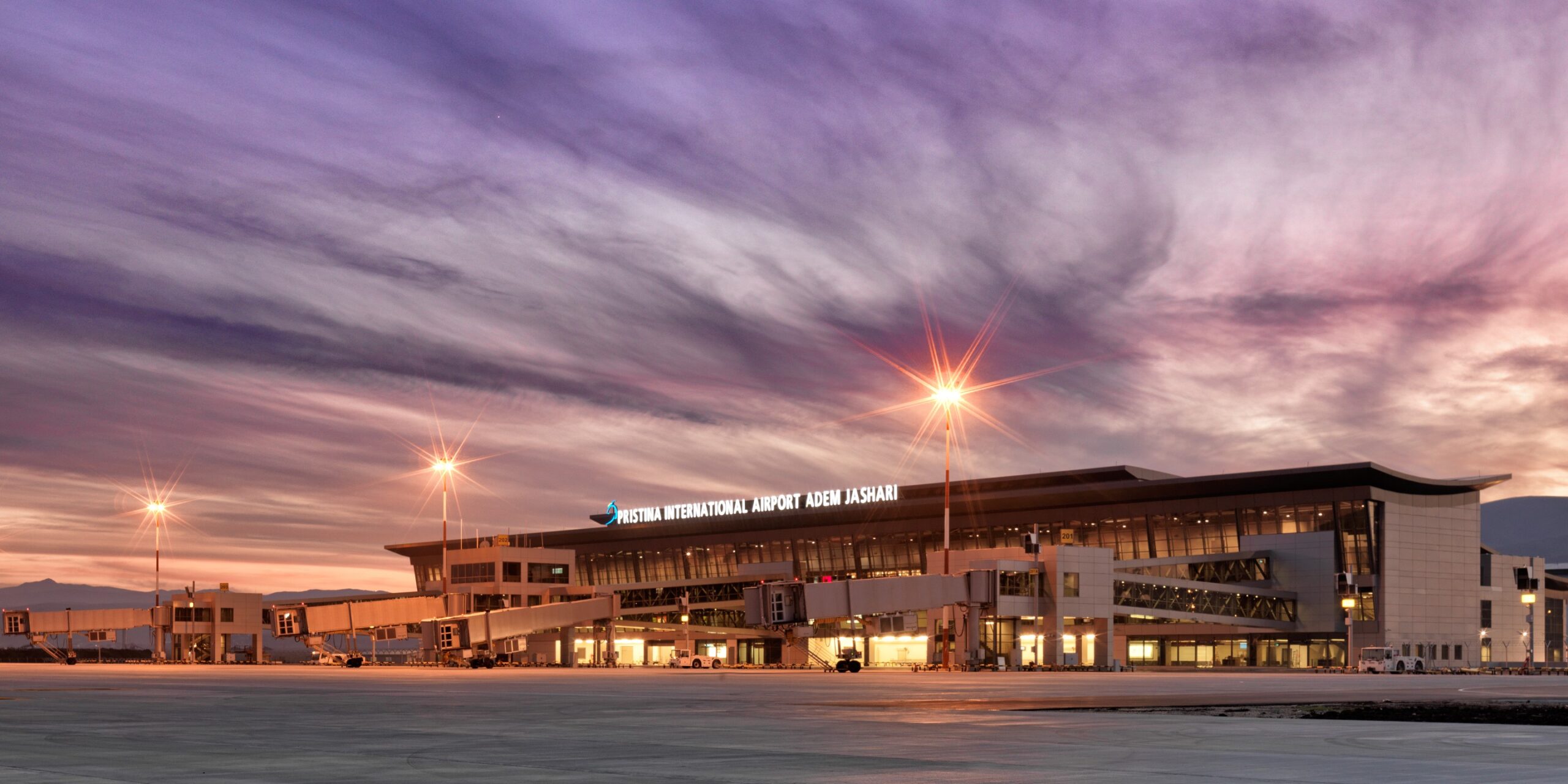
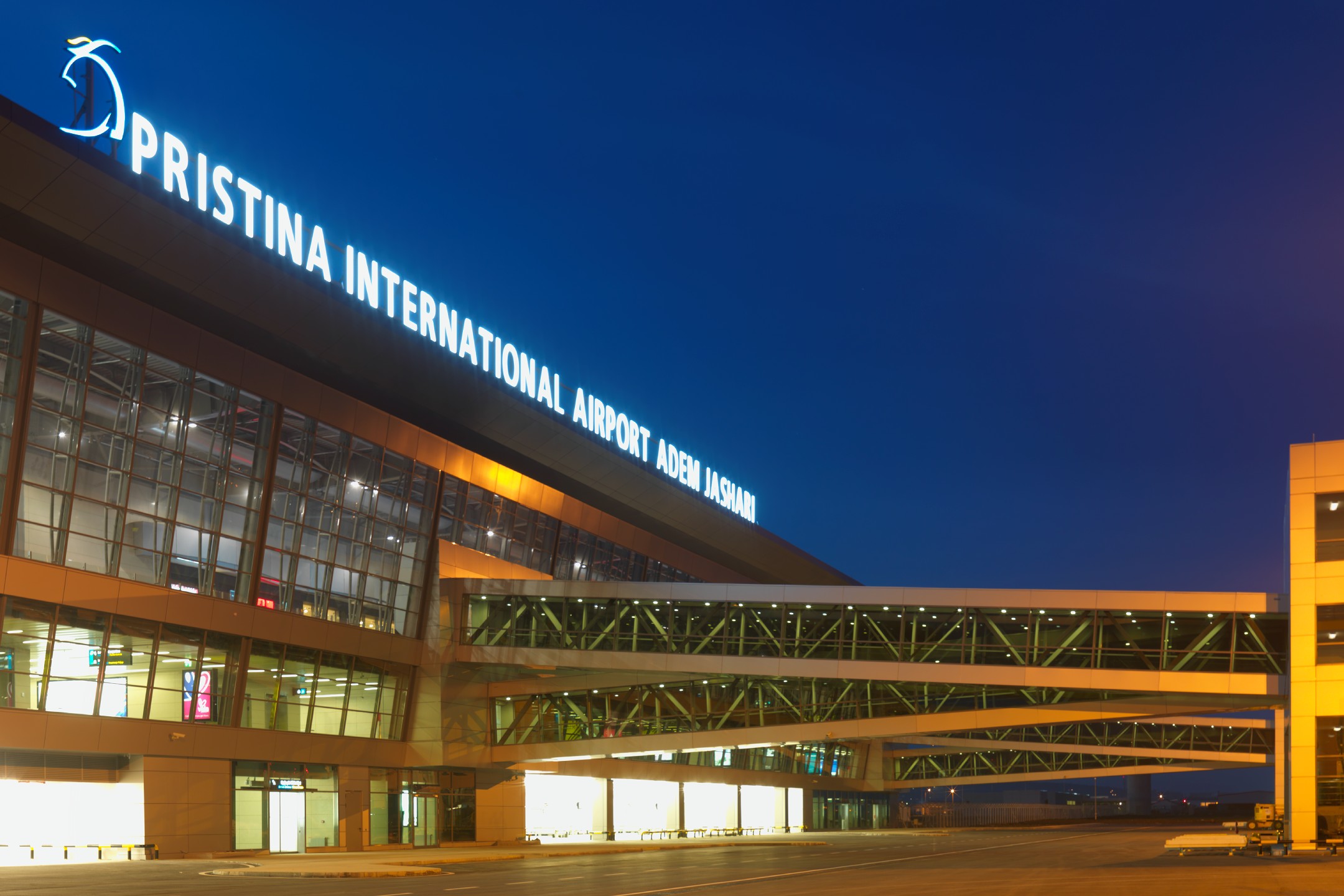
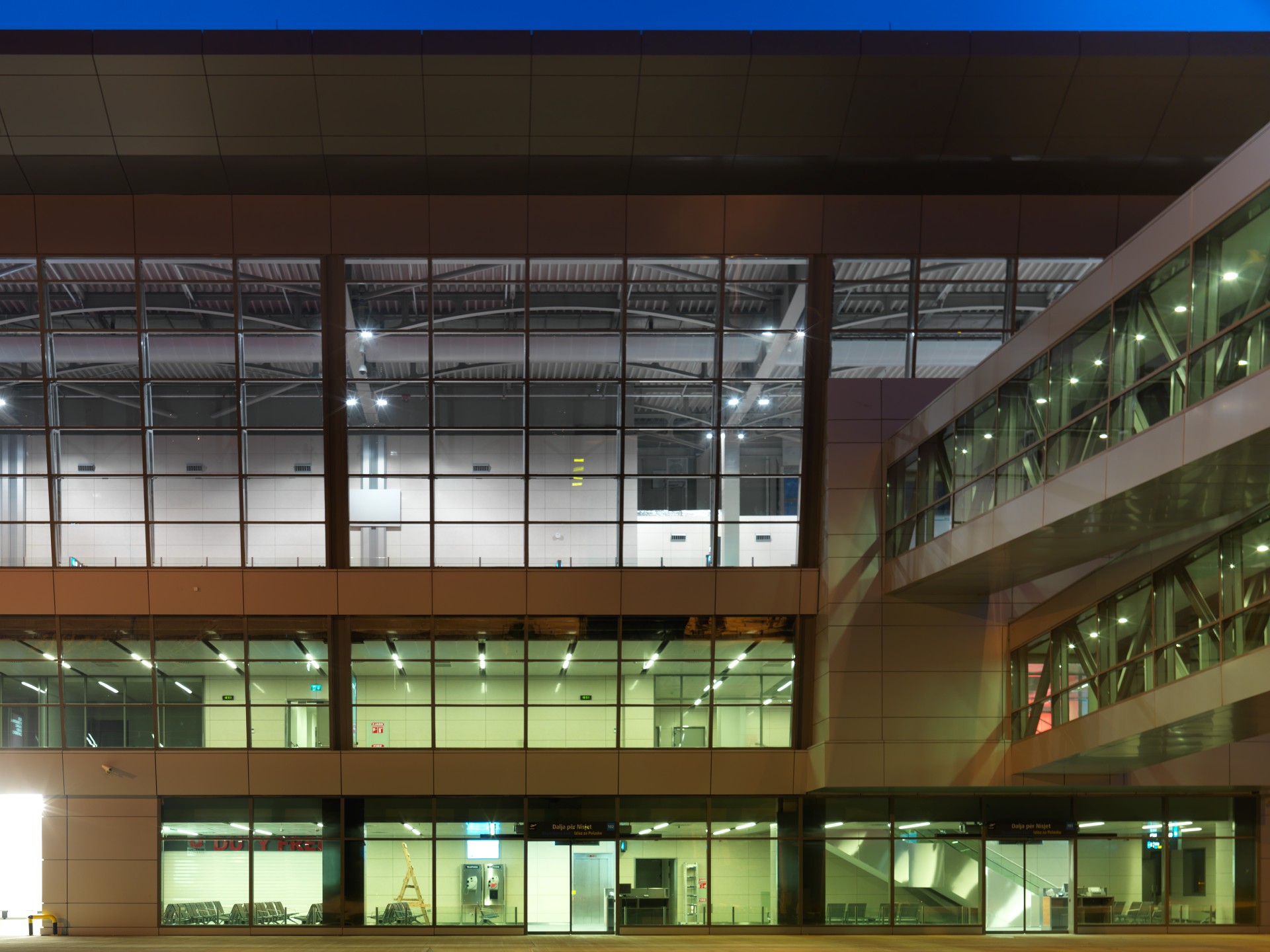
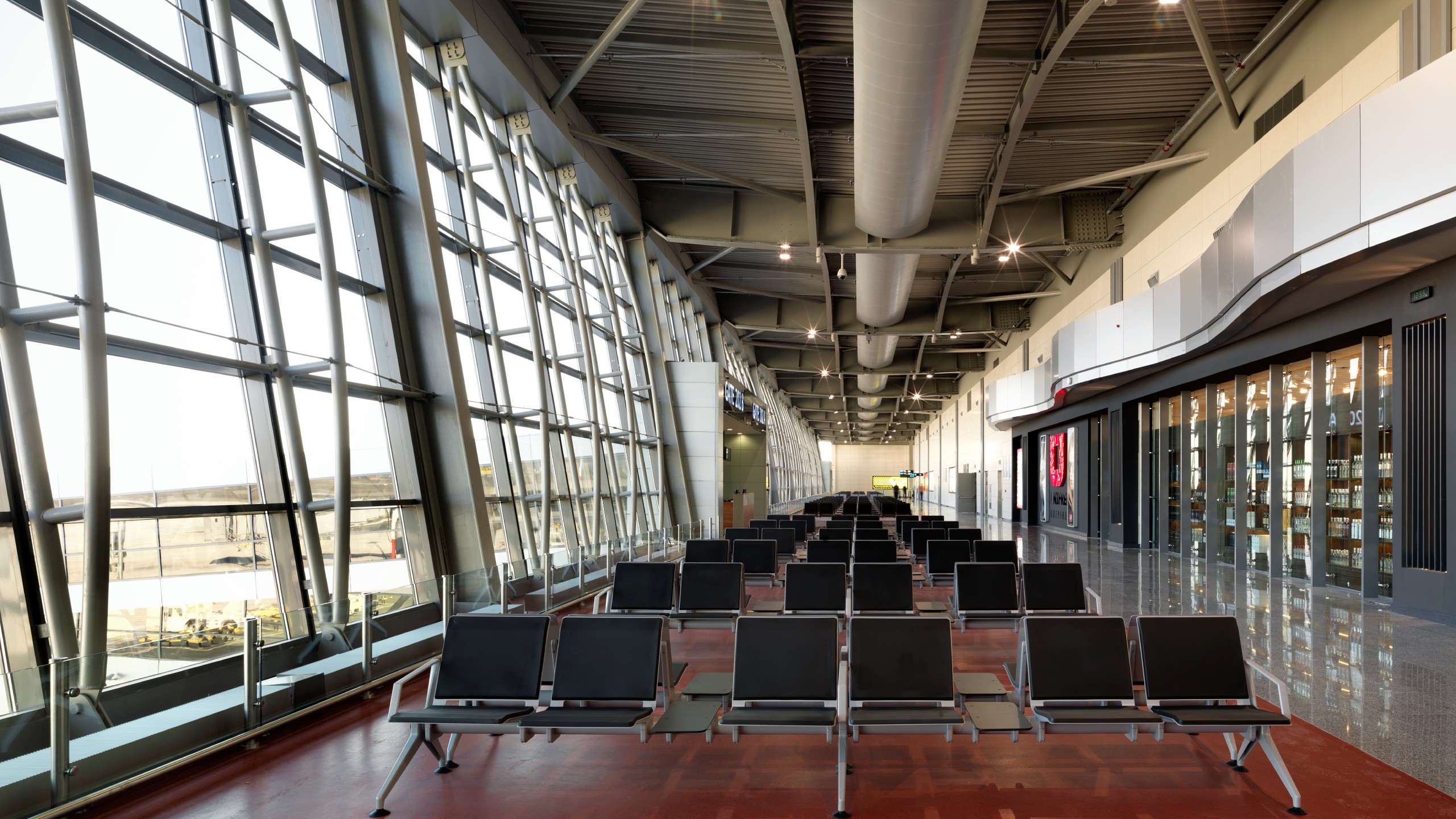
2011-2013The design project prepared by Tekeli-Sisa Architects was selected for implementation in a limited competition for the new terminal building of Pristina International Airport—one of the most strategic investments in the modernization process of the young Republic of Kosovo, which declared its independence in 2008. Following the design phase, construction began in early 2011, and the terminal building, with a total enclosed area of 43,000 m², was inaugurated and put into service in 2013.
Given the continuous growth of airport capacities and the evolution of aviation technologies, the design focused on creating a terminal that is functionally flexible, dimensionally compact, and highly economic. Simultaneously, the building was intended to possess a unique form symbolizing the developmental trajectory of the young and newly established Republic. With these considerations, a structure with an original identity was realized through its distinctive roof design and overall form.
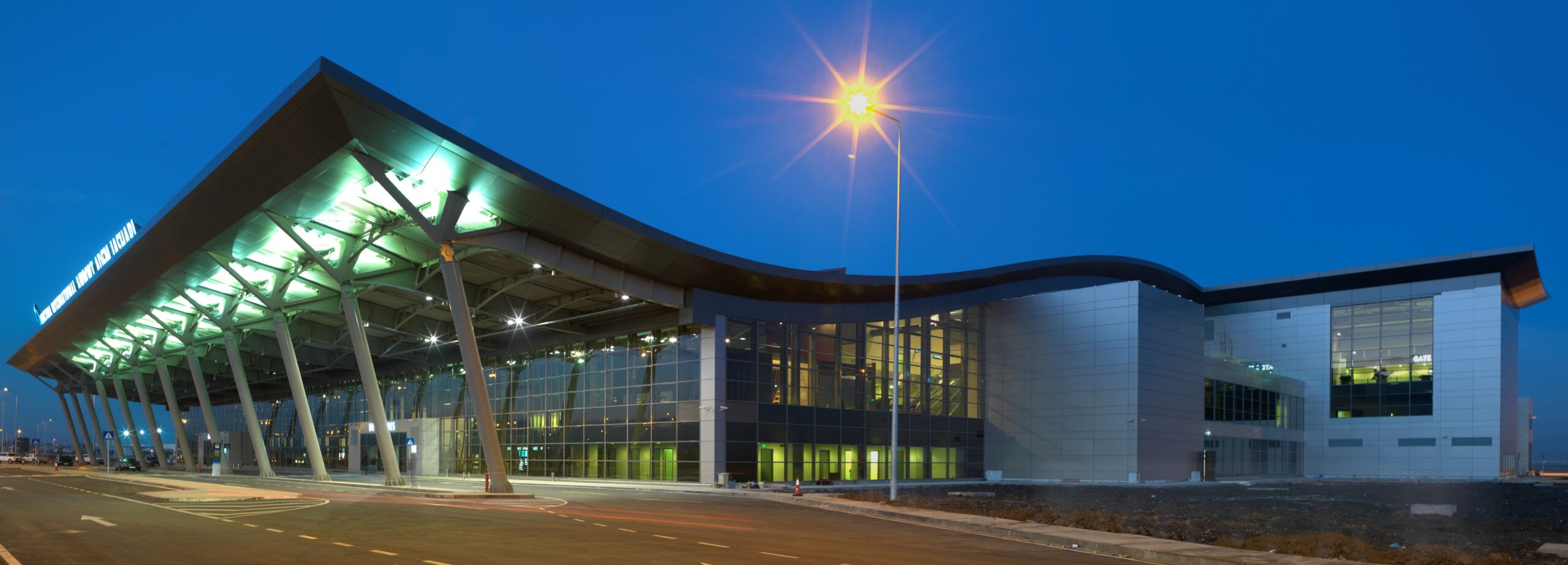
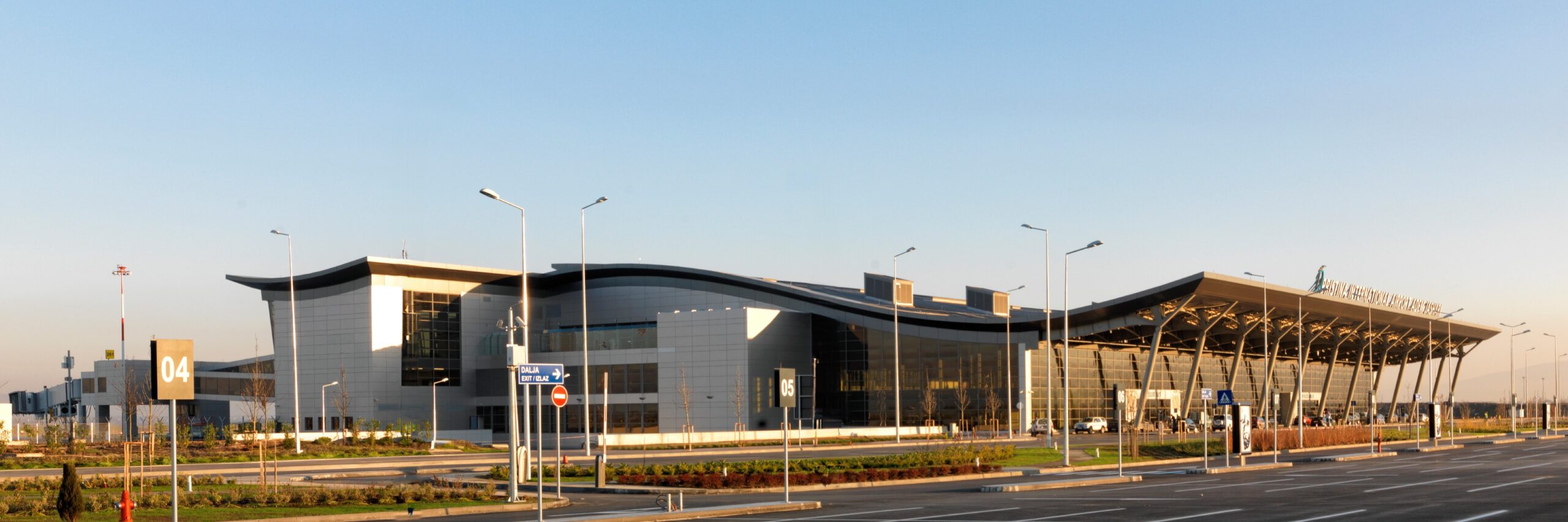
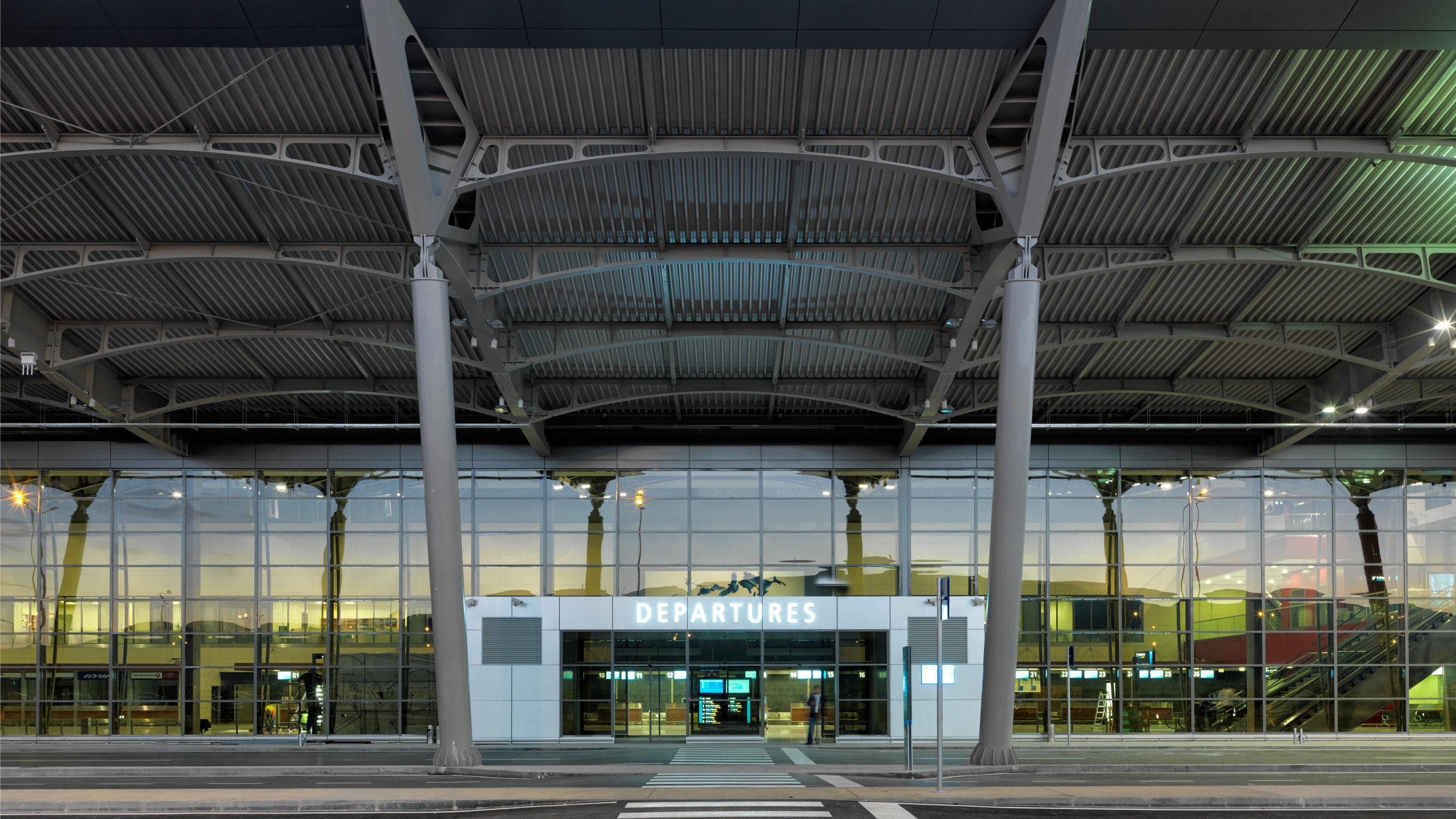
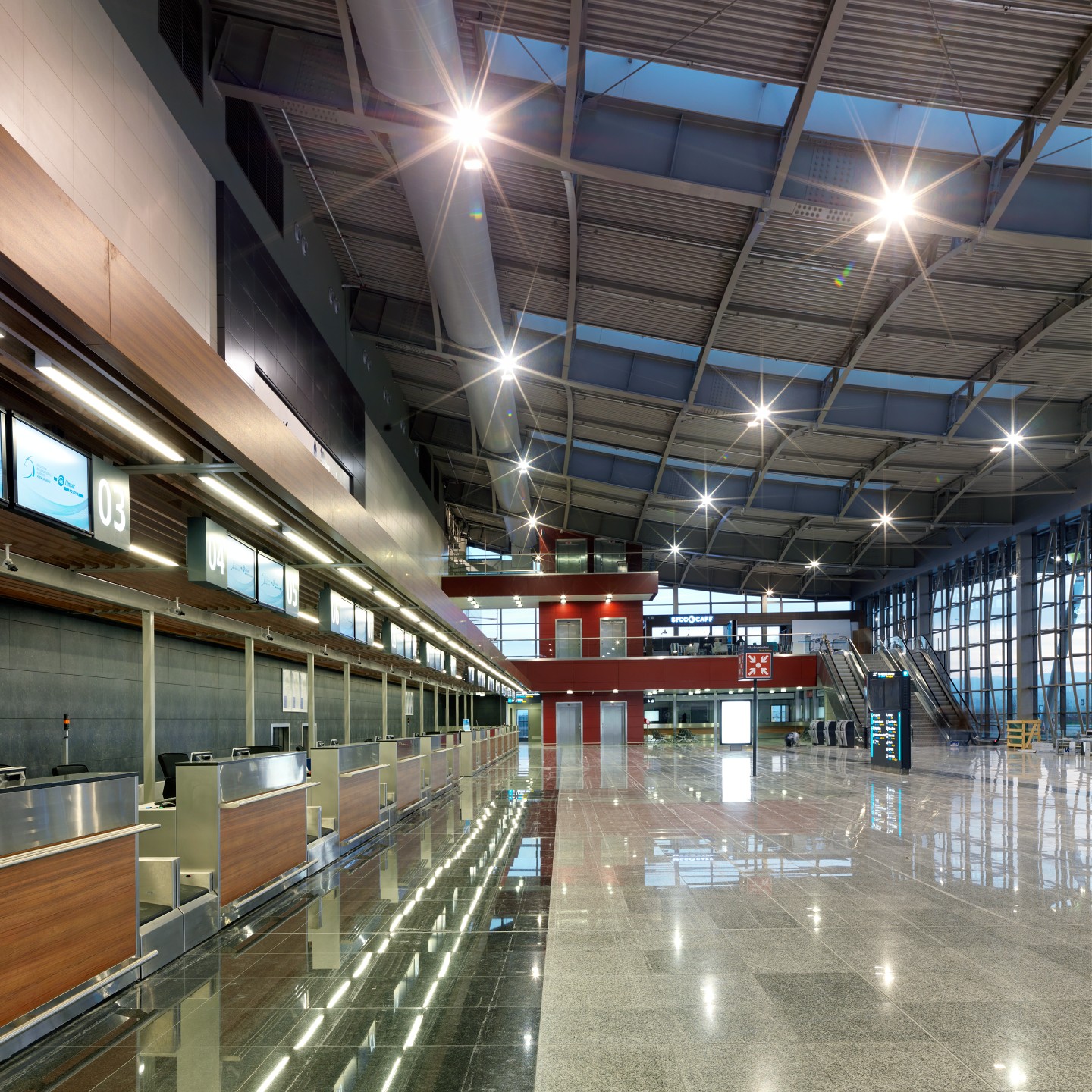
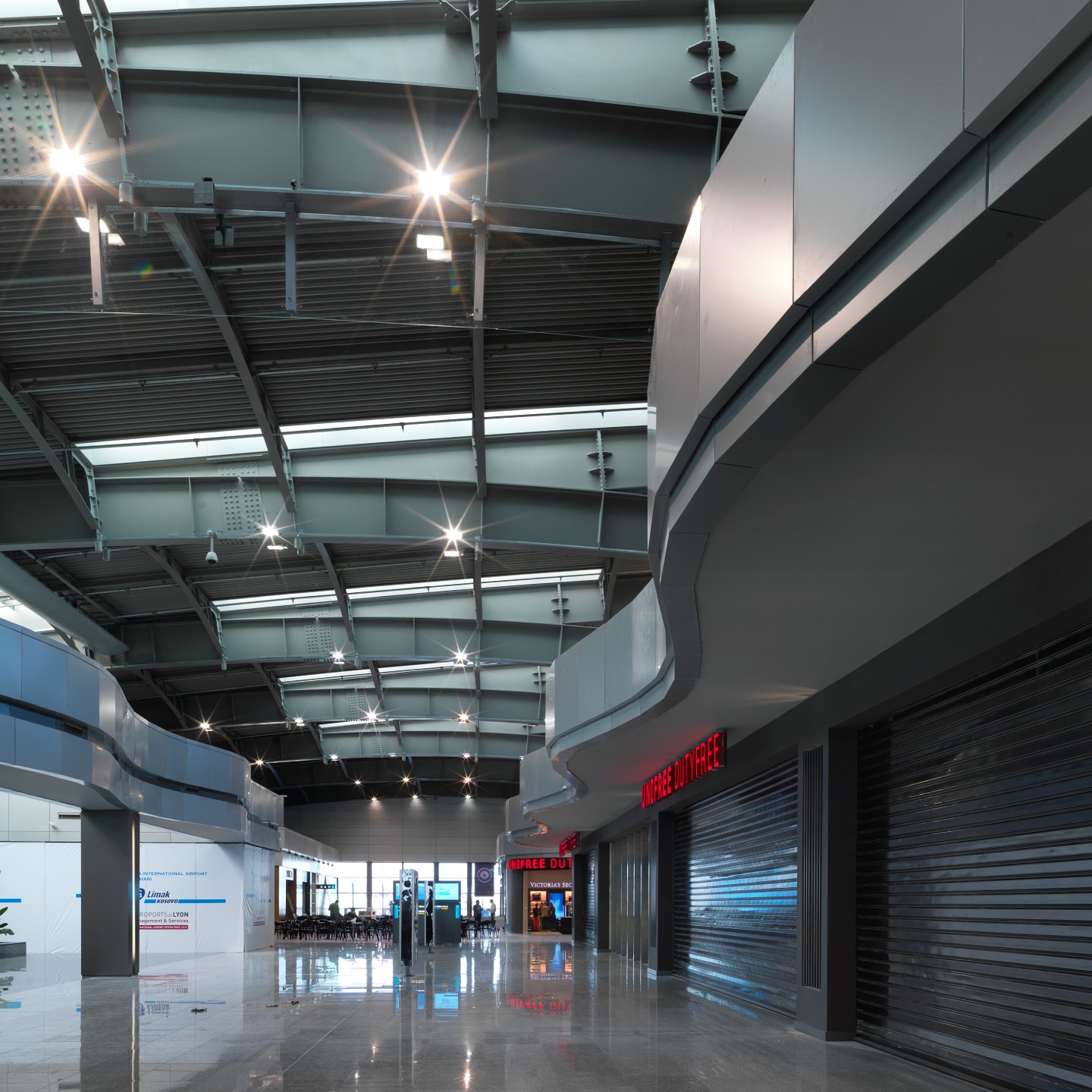
The roof’s form is easily perceived from both the apron and the landside approaches. Rising from the landside toward the airside, the curved roof not only responds to the interior spatial distribution and height requirements but also lends a unique dynamism to the building and its function within its wide, horizontal surroundings.
The monumental entrance canopy on the landside, which greets passengers with a grand span, serves as a powerful extension of the curved roof form. The volumetric hollow column capitals, situated at the junction where the canopy meets the roof, are a hallmark of the architectural design. These capitals are accentuated by lighting elements placed within them, creating a dramatic effect in the exterior lighting.
The terminal features a flexible bridge infrastructure equipped with the MARS (Multiple Aircraft Ramp Stand) system, allowing it to serve one large-body or two medium-body aircraft simultaneously.