

Yayla Agro Food Processing Facility

Project Information
Concept / Preliminary / Detail Design Project
Location:
Nigde – TurkeyOwner:
Yayla Agro GidaArchitectural Project:
Tekeli-Sisa Architectural PartnershipKutay Keskin Architectural Practice
Structural Project:
Arı EngineeringMechanical Project:
Bahri Türkmen EngineeringElectrical Project:
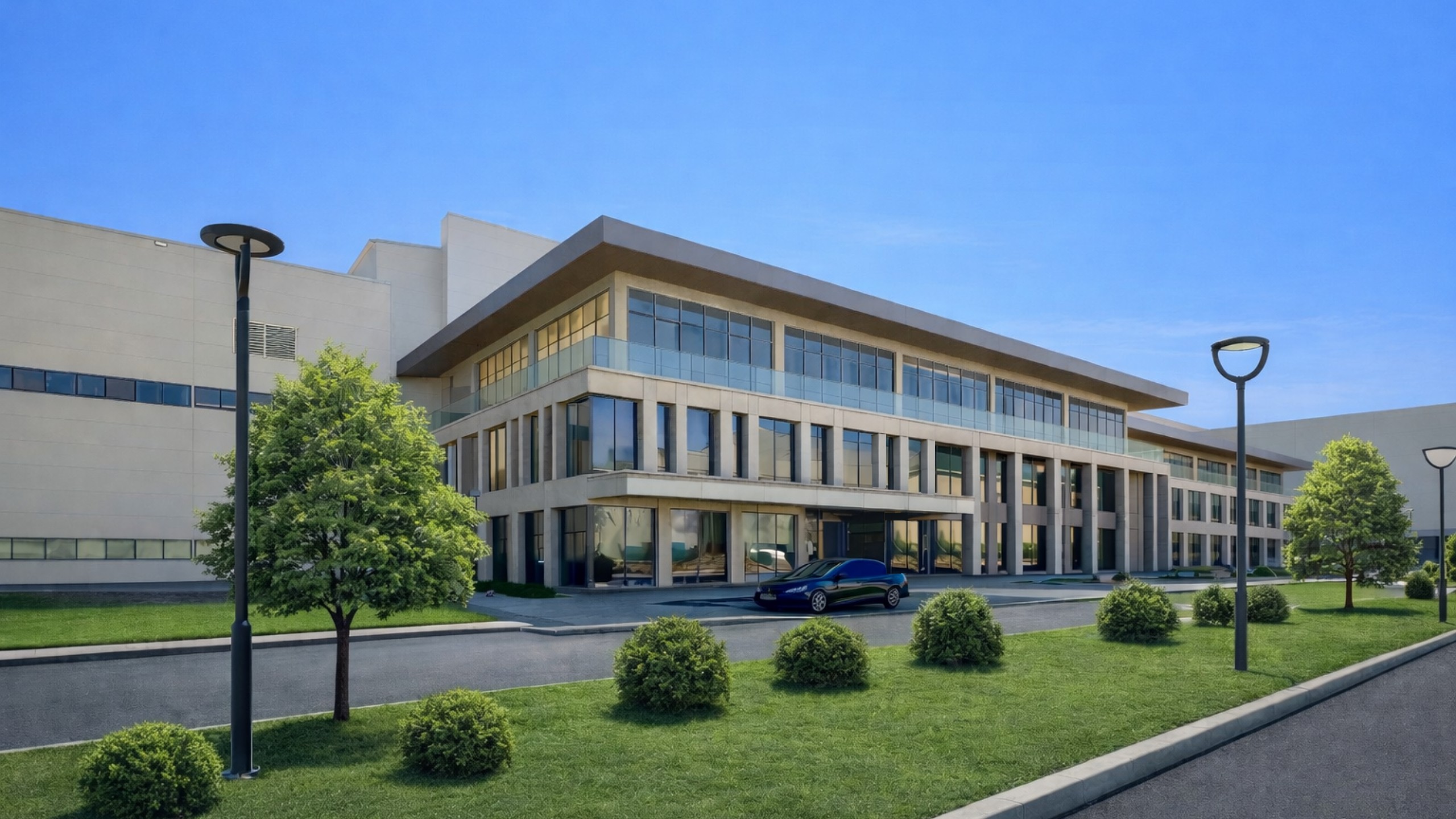
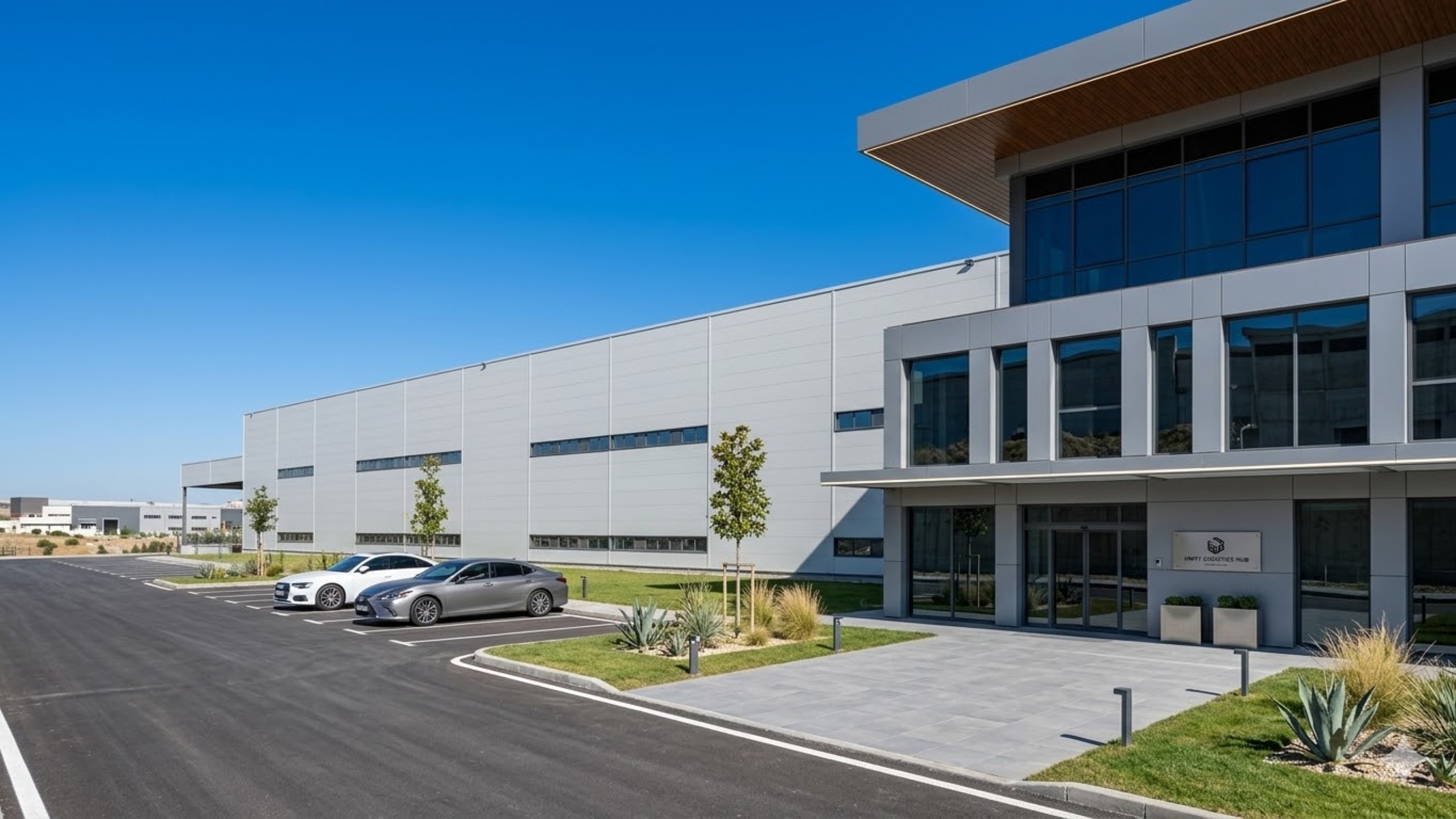
Ovacık EngineeringThe Yayla Agro Food Processing Facility, located in the Niğde Organized Industrial Zone, was designed as an integrated production campus supporting large-scale, high-efficiency food manufacturing. The 135,000 m² enclosed complex consists of two main production blocks alongside administration, logistics and shipping units, an automated high-bay warehouse, rice storage facilities, mechanical service buildings, independent production structures, and a wastewater treatment plant.
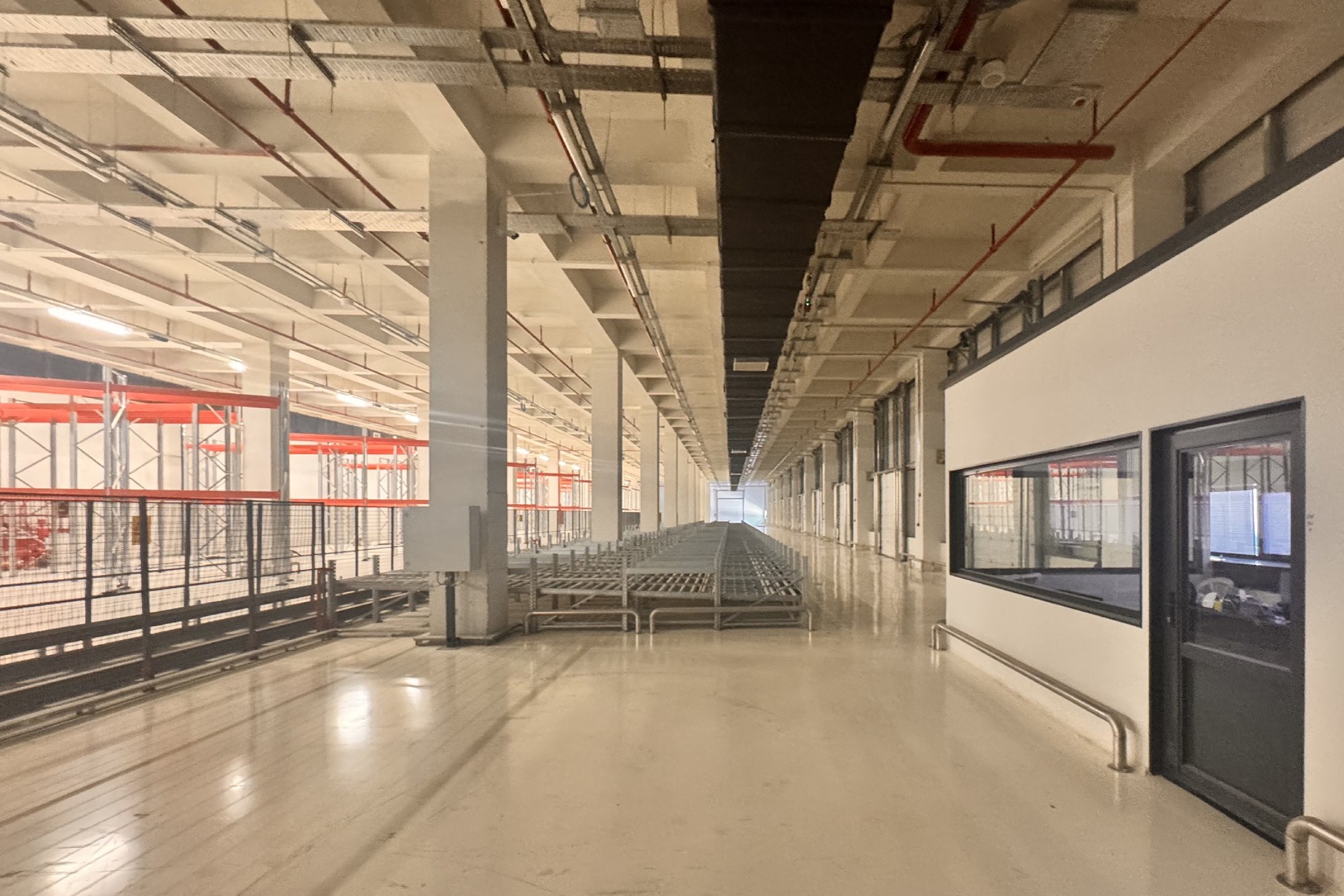
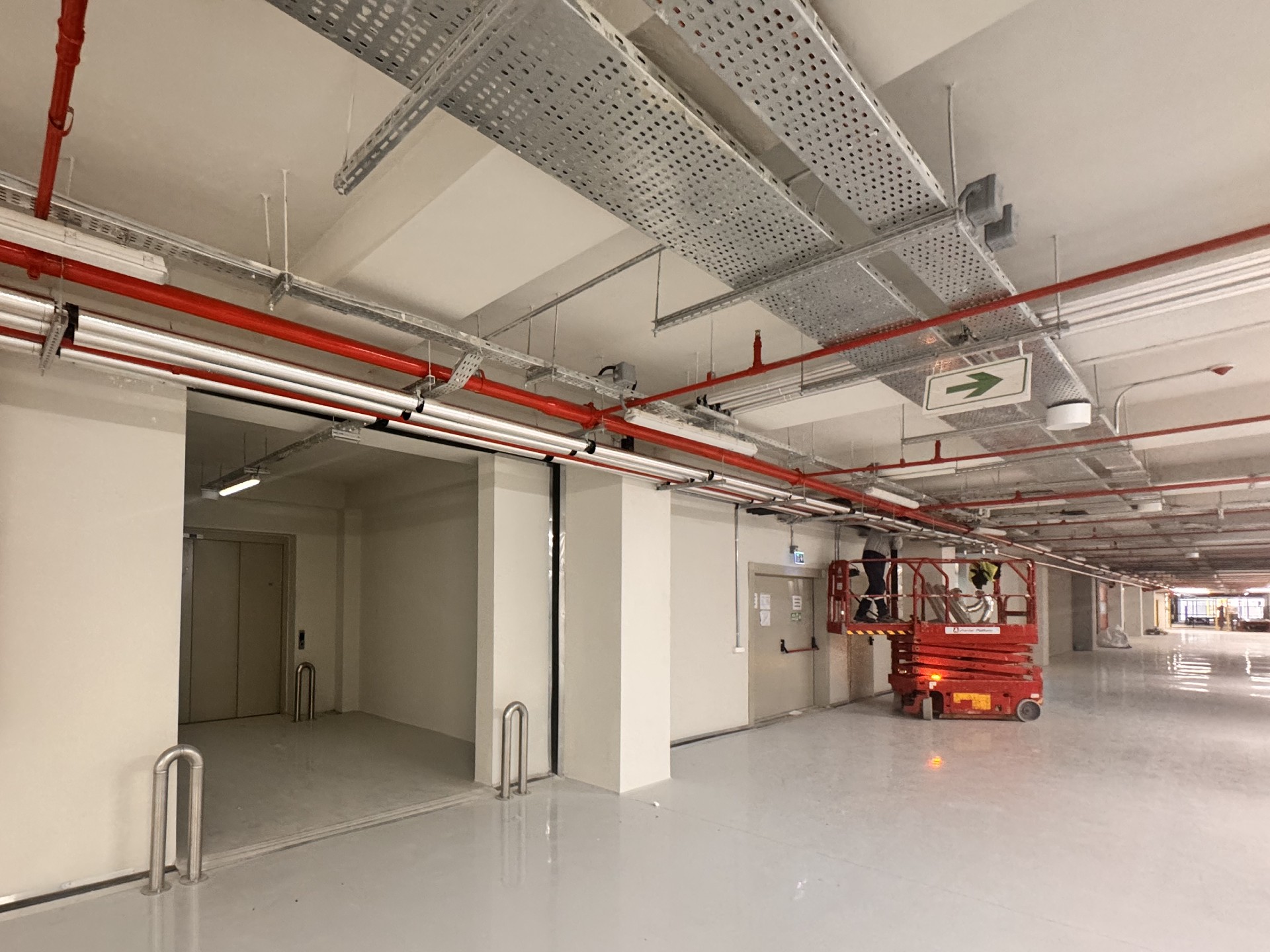
All functional units are interconnected by distribution corridors organized along two primary axes. These corridors form the operational backbone of the facility, regulating process flow and personnel circulation while enabling flexibility for future expansions and additional investments.
Ten distinct food production lines operate simultaneously within this framework. Each line is directly connected to storage and shipping operations, ensuring efficient logistics and uninterrupted production flow. The blocks are generally organized with basement, ground, mezzanine, and first floors, while mezzanine levels accommodate R&D offices supporting continuous product development.
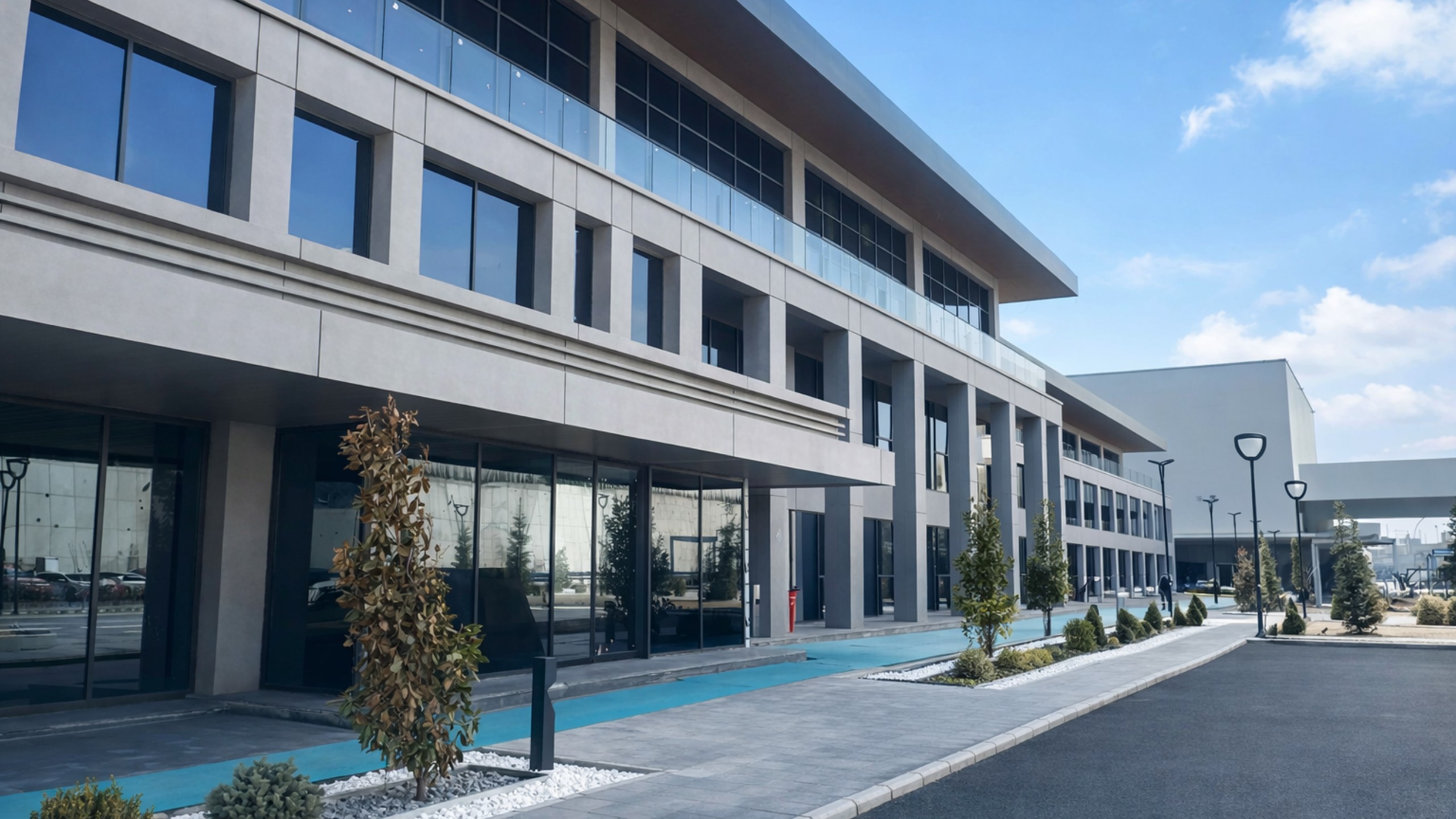
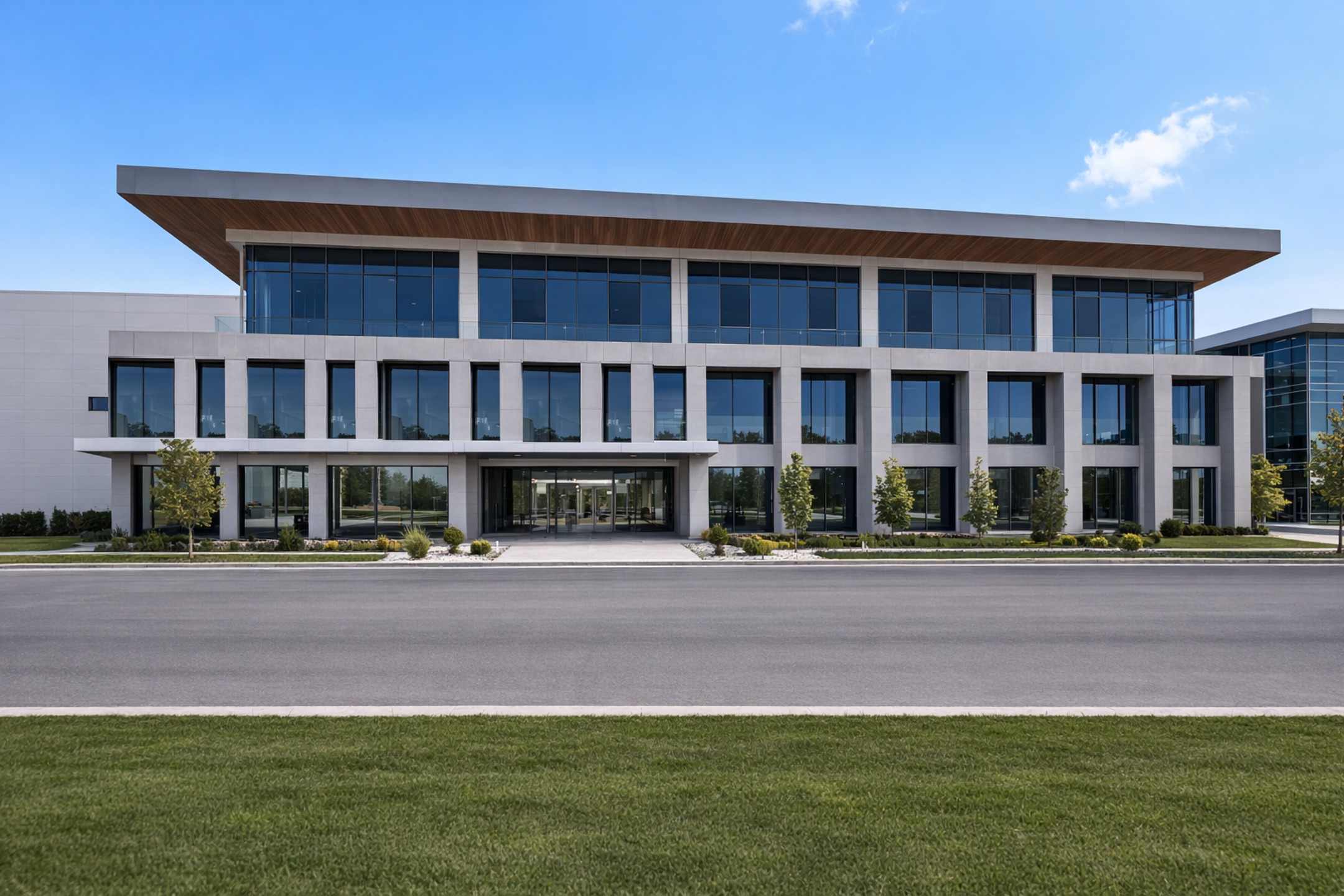
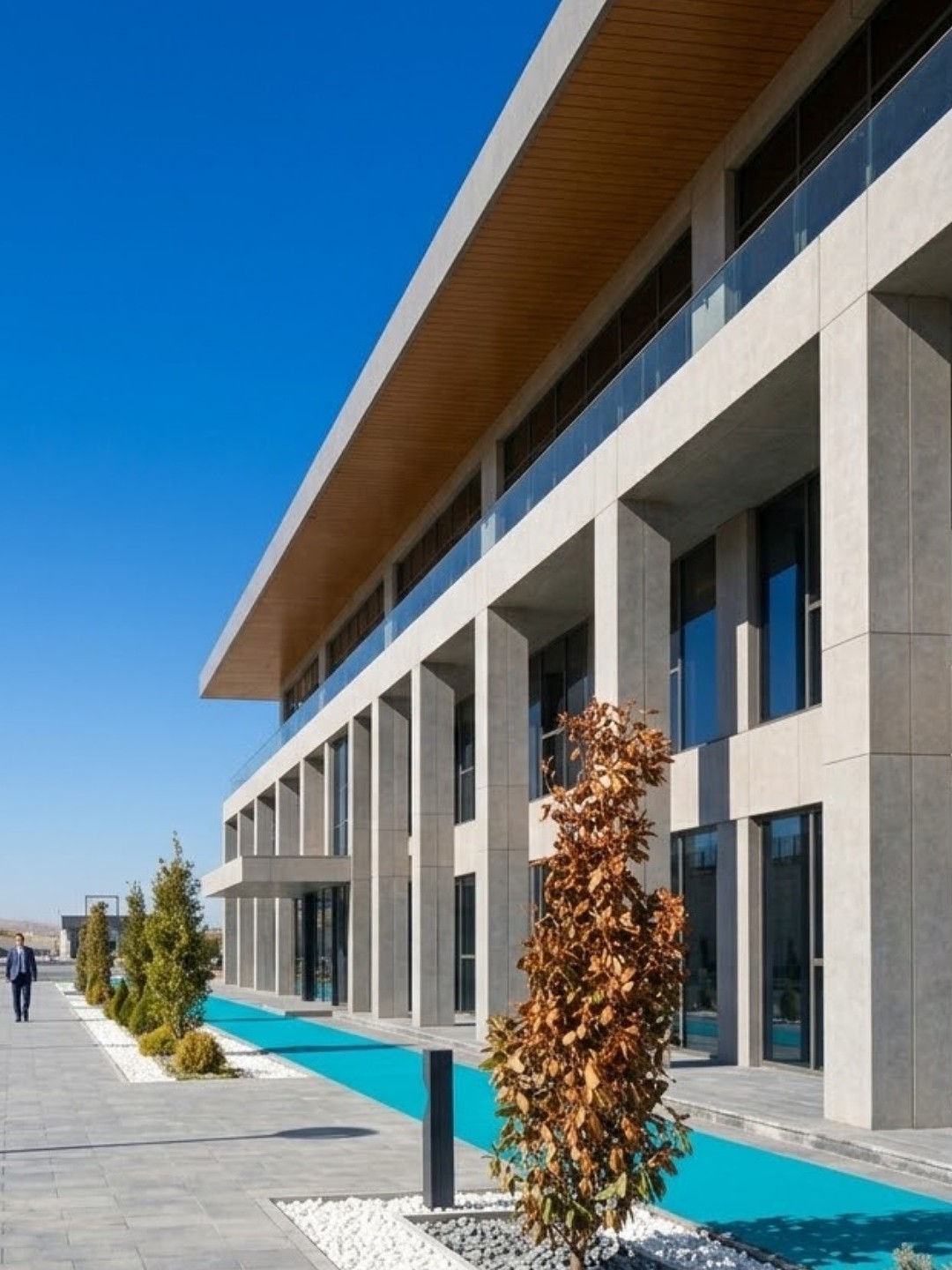
The administrative building is conceived as a dynamic innovation ecosystem that brings research, development, and production under one roof. R&D facilities, directly accessible from the first floor of the administrative block, overlook the production halls and include modern laboratories as well as an incubation center supporting new initiatives and product innovation.
Designed with an environmentally responsible approach, the facility incorporates Low-E glazing and solar-compatible roof panels to improve energy efficiency. Rainwater collected through a siphonic drainage system is stored in underground cisterns and reused for landscape irrigation, contributing to sustainable resource management.
The project establishes a flexible, technology-driven production environment where efficiency, innovation, and sustainability operate together within a cohesive industrial campus.